Spray Foam Insulation Removal
When a prior spray foam installation was mixed or applied incorrectly, the fix isn't a patch job — it's careful removal followed by a proper reinstallation, sized correctly for Pinetop-Lakeside's real cold-climate needs.
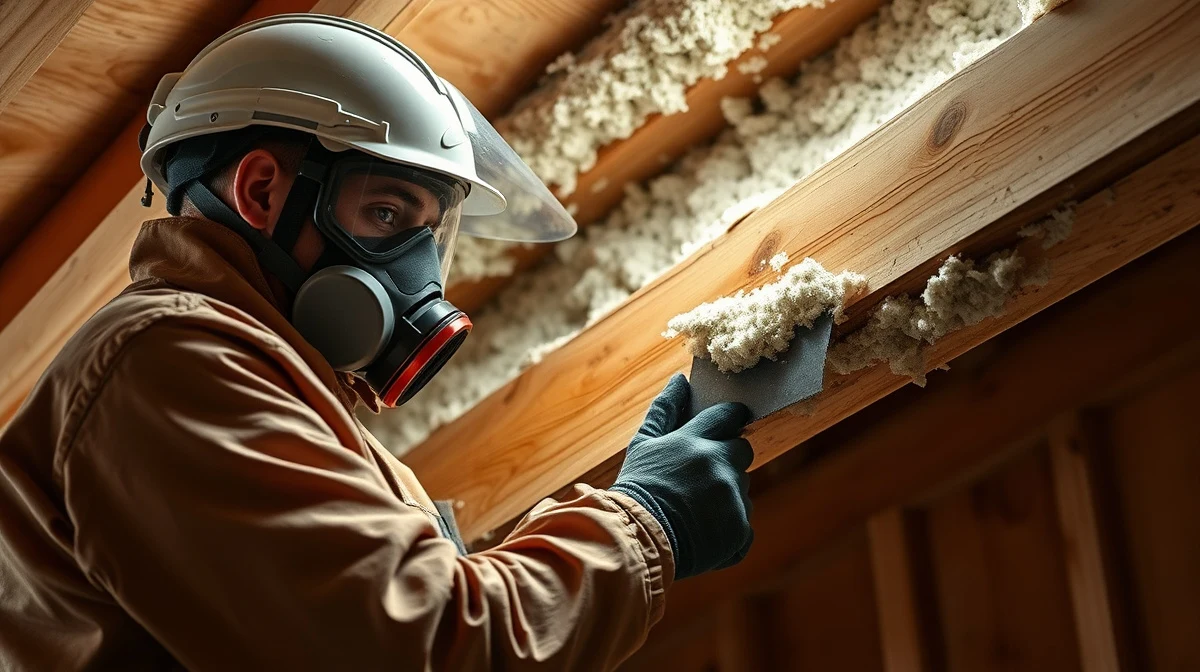
Not every spray foam installation is done right. Incorrect mix ratios, poor surface prep, or an installer working outside the manufacturer's temperature range can leave a homeowner with foam that never cured properly — soft, spongy, shrinking away from the framing, or carrying a persistent chemical odor well past the normal cure window. In other cases, removal simply comes up during a remodel, roof repair, or ownership change, where existing foam needs to come out before new work can proceed or before a home can be re-insulated to a genuine cold-climate standard.
Removal is more labor-intensive than a fresh installation, since it involves carefully cutting out and extracting cured or partially cured foam without damaging the underlying framing, sheathing, or subfloor. We assess the scope on-site, confirm whether removal is actually necessary versus a targeted repair, and — where the homeowner wants it — follow removal with a correctly specified reinstallation sized to Pinetop-Lakeside's elevation and climate rather than whatever spec the prior installer used.
Why homeowners choose it
- Corrects a failed or improperly mixed prior installation instead of leaving a persistent odor or performance problem in place.
- Careful extraction protects the underlying framing, sheathing, and subfloor from damage during removal.
- Clears the way for a properly sized cold-climate reinstallation, rather than compounding a bad prior job with more foam on top.
- An honest, documented on-site assessment tells you plainly whether removal is actually necessary or whether a targeted fix will do.
- Removes contaminated or pest-damaged foam that's no longer performing as insulation regardless of how it was originally installed.
- Sets up remodels, roof repairs, or ownership transitions where existing foam is in the way of new work.
Signs a Prior Spray Foam Installation Failed
Correctly installed and cured spray foam is inert and shouldn't off-gas or degrade over time. When it does, the cause is almost always tied to the original installation: an incorrect mix ratio between the foam's two chemical components, application outside the manufacturer's specified temperature range, or spraying over a dirty, wet, or otherwise unsuitable surface. The result can show up as a lingering chemical smell well past the normal re-entry period, a soft or spongy texture instead of the expected rigid or semi-rigid cure, visible shrinkage pulling away from the framing, or discoloration.
None of these symptoms are something to live with or mask. A professional inspection can confirm whether the issue is isolated to a specific area or affects the whole installation, and whether removal and reinstallation is the right call versus a more limited repair.
- Persistent chemical odor well beyond the normal cure and re-entry window
- Soft, spongy, or unusually pliable texture instead of a proper cure
- Visible shrinkage or gaps pulling away from framing members
- Discoloration or signs of moisture intrusion behind the foam layer
How Removal Actually Works
Removal involves carefully cutting and extracting the cured or partially cured foam from framing, sheathing, or subfloor, taking care not to damage the structure underneath in the process. This is inherently more time-consuming than a fresh installation onto open, clean framing, since every section has to be cut free and removed by hand rather than sprayed on in a single continuous pass.
Once removal is complete, we inspect the underlying framing for any moisture damage, staining, or structural concerns that may have been hidden by the failed installation, and address anything that needs attention before new insulation goes in. If the homeowner wants reinstallation as part of the same project, we specify it correctly for Pinetop-Lakeside's elevation and climate from the start, rather than repeating whatever assumptions led to the original failure.
When Removal Isn't the Answer
Not every imperfect installation needs full removal. A small isolated gap, a minor cosmetic shrinkage issue in a non-critical area, or foam that's performing fine thermally but has a cosmetic flaw may only need a targeted patch or supplemental application rather than tearing everything out. We'll give you an honest assessment either way — the goal is solving the actual problem, not selling a bigger job than the situation calls for.
Ideal for
- Homeowners dealing with a persistent chemical odor from spray foam well beyond the normal cure window
- Properties with soft, spongy, shrinking, or visibly failed foam from a prior installation
- Remodel or roof-repair projects where existing foam needs to come out before new work proceeds
- New homeowners who inherited a spray foam installation of unknown or questionable quality
- Anyone planning to reinsulate a space to a proper cold-climate standard after a bad prior job
What affects the cost
Foam Removal questions, answered
Warning signs include a persistent chemical odor well beyond the normal cure window, a soft or spongy texture, visible shrinkage or gaps pulling away from framing, and discoloration. A professional on-site inspection can confirm whether removal is necessary or whether a more limited repair will resolve the issue.
Generally yes, on a per-square-foot basis, since removal requires careful hand extraction rather than a continuous spray application, and it's often followed by a full reinstallation. We give you a clear breakdown of removal and (if needed) reinstallation costs during the on-site assessment.
In many cases, yes — mixing and curing problems tend to show up as texture, odor, shrinkage, or discoloration issues that are recognizable on inspection. In less obvious cases we may recommend further investigation before finalizing a removal and reinstallation plan.
Careful removal is designed to protect the underlying structure, but there's always some risk when extracting bonded material, especially if the original application already caused damage. We inspect and address any framing issues uncovered during removal before new insulation goes back in.
Both — we can remove failed foam as a standalone project or handle removal followed by a correctly specified reinstallation sized to Pinetop-Lakeside's actual climate and elevation, whichever fits your situation.
Foam Removal done right, by a local Pinetop-Lakeside crew
Foam Removal isn't a commodity — the result depends entirely on how carefully it's planned and installed for your specific home or cabin and Pinetop-Lakeside's real high-country climate. We assess what your property actually needs, prep and air-seal properly, and install to your elevation-appropriate R-value target, so the work delivers the comfort and savings it's supposed to.
We serve Pinetop-Lakeside, Show Low, Linden, McNary, Hon-Dah/Whiteriver, Pinedale, Heber-Overgaard, Greer, and Eagar/Springerville. Every job starts with a free, no-pressure quote.
Just as important, we treat your home or cabin like the system it is. Insulation, air sealing, and ventilation all interact, and getting one right while ignoring the others leaves comfort and savings on the table. When we scope your foam removal, we look at how it fits the whole picture — so the finished result performs the way it should, holds up through a genuine White Mountains winter, and actually lowers the bills you feel every month.
Free assessment
We evaluate your home or cabin and give you a clear, itemized quote.
Expert install
We prep, air seal, and install your foam removal to spec — clean and on schedule.
Savings you can feel
A warmer home, lower heating bills, and honest advice about what your property needs.
Related services
Ready for a free foam removal quote?
Tell us about your home and we'll put together a clear, no-pressure spray foam insulation quote — built for Pinetop-Lakeside's real winters.